
Memory loss: what's normal, treatable and what to do

Most memory lapses are not dementia
Forgetting a name, walking into a room and wondering why, or losing your keys happens to everyone, and it happens more often as we get older. On its own, none of it means dementia.
What changes with ordinary ageing is mostly speed. A name arrives later than it used to, and new information takes more repetition to stick. What you already know, and how to do the things you have always done, generally holds.
The change worth paying attention to is a change in pattern: forgetting recent events entirely, asking the same question twice in one conversation, or struggling with tasks you managed easily a year ago. Our early warning signs checklist goes through these one by one.
Many causes of memory loss are treatable
Memory problems have many causes, and several of them can be treated or reversed. That is the strongest reason to see a doctor early rather than wait.
- Vitamin B12 deficiency and thyroid problems, both found with a simple blood test.
- Depression, which can closely resemble memory impairment. Read about depression and memory.
- Poor sleep and sleep apnea. Read about sleep and cognitive health.
- Side effects of common medicines, including some sleep aids and allergy medicines. Read about medications and memory and diphenhydramine.
- Untreated hearing loss, which makes it harder to take information in. Read about hearing loss and memory.
- Heavy drinking. Read about smoking, alcohol and your brain.
Read more about when memory loss can be reversed.
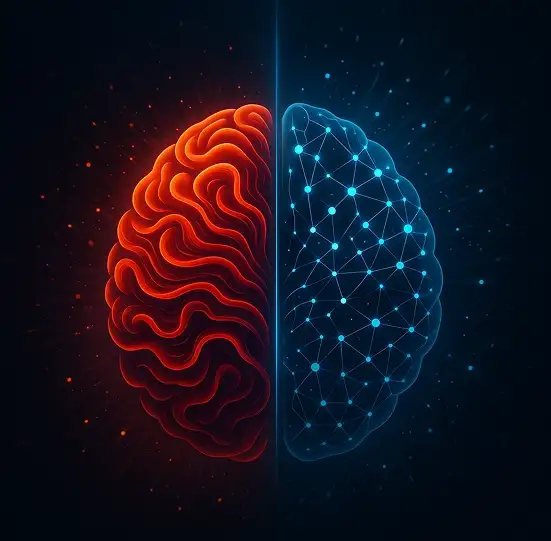

Normal ageing, mild cognitive impairment and dementia
These terms describe different things, and the difference matters.
- Normal ageing. Slower recall and more effort to learn new things, without any loss of independence.
- Mild cognitive impairment. Memory or thinking has changed more than expected for your age, but you still manage daily life on your own. Some people with mild cognitive impairment get worse, many stay the same, and some improve, particularly when a treatable cause is found.
- Dementia. Changes large enough to interfere with independent daily life. Alzheimer's disease is the most common cause, but not the only one.
Only a doctor can tell which of these applies, and a screening test cannot. Read more about Alzheimer's disease and cognitive health.
Much of the risk can be changed
About 45% of dementia cases worldwide are linked to 14 modifiable lifestyle and medical risk factors across the lifespan, according to the 2024 Lancet Commission on dementia (Livingston and colleagues, The Lancet, 2024) and guidelines from the World Health Organization. Untreated hearing loss alone is linked to about 7%.
Those figures describe populations, not any one person, and a diagnosis is never a sign that someone did something wrong. The steps that lower risk are the same ones that help health in general: staying physically active, keeping blood pressure, cholesterol and blood sugar in check, treating hearing loss, not smoking, drinking less, and staying connected with other people.
There are pages on exercise, blood pressure and cholesterol, social connection and helping your brain.


When to see a doctor
Get help right away if confusion comes on suddenly, over hours or days. That is a medical emergency, not a memory problem: infections, strokes and reactions to medicines can all cause it.
Make an appointment if memory changes have built up over months, if other people have noticed, or if everyday tasks such as paying bills or managing medicines have become harder.
You do not need to be sure before you go. Working out what is happening is the appointment's job. Read about when to seek help and preparing for a doctor's visit.
Measure it, so you can compare
Memory is hard to judge from the inside. "It seems about the same as last year" is a guess, while two results a year apart are information.
The Memory Exam is a screening test you take at home in 10 to 15 minutes. It shows how your memory compares with people of similar age and education and, taken again later, whether it has changed. It is not a diagnosis and cannot tell you why anything has changed, but it gives you and your doctor a concrete starting point.
Read about tracking your memory over time and how the exam works.